
From Saint Lucia, to Nisse, to hidden almonds, Christmas in Scandinavia is a magical (if complicated) affair…
Denmark
Danes watch the festive television series Julekalender (Advent Calendar), with one episode shown on DR and TV2 each week of December until Christmas Day. Different versions of the show are shown by each company, though the storylines are similar. Typically, one character tries to ruin Christmas until the others step in last minute to save the day.
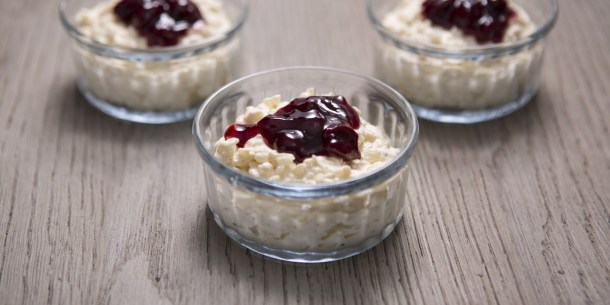
As in most of Europe, Danes have their main celebration on Christmas Eve. Families unite at about 6pm for the Christmas feast, usually roast duck, goose or pork, served with boiled or sweet potatoes, beetroot and cranberry sauce. For pudding, in a tradition repeated on New Year’s Eve, Danes may eat risalamande (rice pudding with almonds). All but one of the almonds have been ground, so the lucky finder of a whole almond is awarded a marzipan pig and will be blessed with good luck for the next year. After the feast, the candles on the Christmas tree (normally decorated with Danish flags) are lit, and the family dance around it singing.
Sweden
Perhaps the most recognised Scandinavian Christmas tradition abroad are the Saint Lucia celebrations, held on the 13th December. The most common story told about Lucia is that she would bring food to persecuted Christians living in Rome’s city catacombs, attaching candles to her head so she could have both hands free. 13th December was chosen as her saint day in Sweden as it coincided with the Winter Solstace, a pagan festival of lights. A ‘Lucia’ is selected to process through the local church wearing a crown of candles attached to lingonberry branches. A national ‘Lucia’ is also chosen, whose job it is to visit hospitals and old people’s homes handing out pepparkakor (ginger biscuits). Lucia buns (made with saffron and dotted with raisins) are popular.
Christmas Eve is when Swedes have their feast. Unlike most other countries, however, Swedes eat their Julbord buffet in the afternoon. Herring, cold meats (including turkey and julskinka (Christmas ham), meatballs, jellied pigs’ feet and drop i grytan (bread dipped in the juices of the roast turkey) may be eaten. Glögg (mulled wine) is consumed through Advent. Christmas Eve is also when presents are exchanged. Many Swedes tune in to a special episode of Donald Duck on Christmas Eve.
Some families make straw goats to guard their Christmas trees. In the city of Gävle a 13-metre goat is erected, though it’s a target for vandals and since 1966 has only made it to Christmas Day about a dozen times.

Norway
Christmas wasn’t celebrated in Norway until relatively late, when the country was Christianised. Nowadays, Norwegian Christmas closely resembles Christmas in the other Scandinavian countries, but some traditions remain unique. These include leaving a sheaf of wheat out for the birds during Advent, and a bowl of porridge for Nisse on Christmas Eve (to guard the farm animals).
Carol singing is popular and children often dress up as characters from the Nativity to travel from house to house. An array of cakes and biscuits are made during Advent, one of Norway’s most popular being the Julekake (Hole Cake), combining raisins, candied peel and cardamom. Porridge may be eaten at lunchtime on Christmas Eve, served with butter, sugar and cinnamon. Dinner that evening often consists of pork or mutton ribs served with surkal (finely chopped white or red cabbage cooked with caraway seeds and vinegar) and potatoes. After dinner, presents from friends and family might be exchanged, and the next morning more presents are found under the tree, given by Father Christmas (Julenissen) or small gnomes (nissen). If you’ve been very good, you might find some from both!
This article has also been published in Nordic Style Magazine and Epigram.
 Fika
Fika 