Punctuality and recognisable car brands, Germany is understandably often compared to its northern neighbours in the Nordics. But differences between the two societies abound, not least when it comes to the current state of gender parity…
Xander Brett
The UK isn’t the only country with widespread admiration of Scandinavia. In Germany, the region is frequently held up as both a social paradise and a prime place to visit, with Germans spending a total of about three million nights in Sweden in 2017 (there are stories of its tourists stealing elk warning signs, such is their love of Swedish nature). In fact, there’s even a ‘syndrome’ attached to the German lust for Sweden: the ‘Bullerbü-Syndrom’, named after Astrid Lindgren’s Six Bullerby Children stories and bolstered by such television series as Inga Lindström, whose cast members speak German but dwell in serene Swedish surroundings.
Differences, however, are plentiful between Germans and the region they lust after. Germany may have a female chancellor, but female representation on company boards is comparatively low. A report in 2017 showed that of the thirty members of Germany’s stock market, just 12.1 per cent of board members were women. One estimate a few years earlier showed no more than 2.2 per cent of senior management jobs in the biggest German companies were taken by women. Scandinavian statistics have largely fared better for a while, with Norway contemplating asking publicly listed companies to ensure that at least 40 per cent of board seats are reserved for each gender. In 2013, Angela Merkel’s coalition opposed a proposal to introduce a 40 per cent binding quota for women in supervisory and management boards of large companies.
Just over 30 per cent of seats in the German Bundestag are held by women, compared to just under half of seats in the Swedish Rikstag and in Germany, non-working mothers are known as ‘rabenmütter’ (‘raven mothers’), while in Scandinavia parental leave is generous and shared between both father and mother. In Sweden, for example, parents are given 240 days leave. Ninety of those days are earmarked as a minimum for each parent.
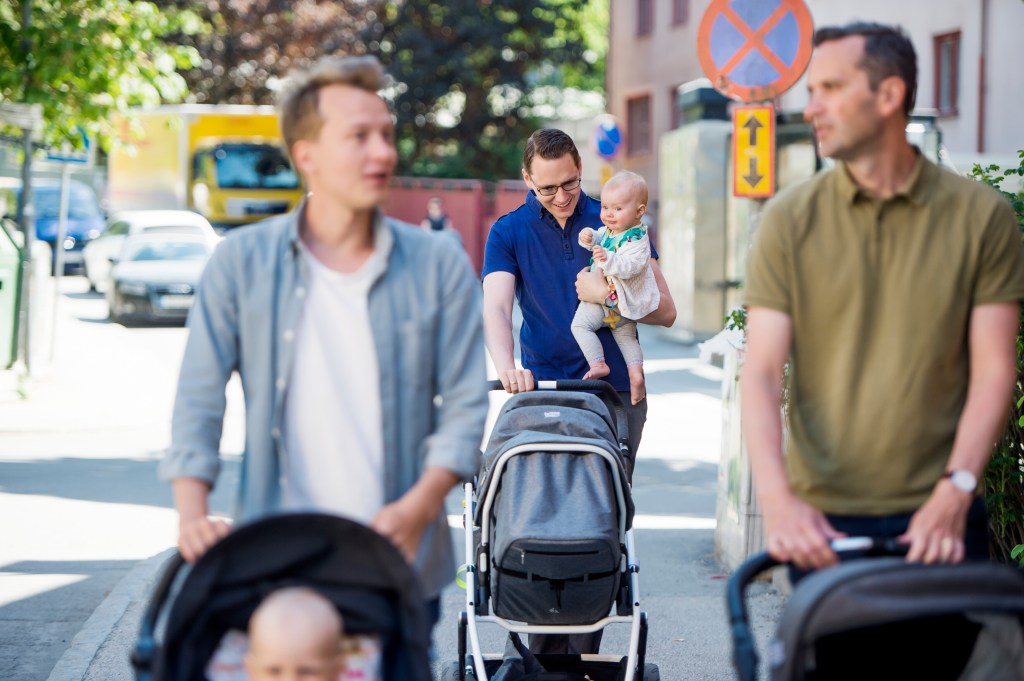
Magnus Liam Karlsson/imagebank.sweden.se
Germany, unlike Scandinavia, has historically not been seen as so homogeneous. Even before the current waves of mass migration, Germany was home to thousands of guest workers (‘gastarbeiter’), brought in to fill a post-war labour shortage. Add to this the fact that Germany has still only recently been reunified, and existed as one country for only seventy-odd tumultuous years before division between east and west and it becomes clear that, unlike the Scandinavian countries, Germany is possibly only the sum of its parts.
What’s more, unlike monarchies such as those in Scandinavia, or even republics like France or the United States, history seems to have demanded there be no globally recognisable head of state in Germany these days. Scandinavian monarchs mightn’t be known the world over, but it remains another difference, among many, between two near neighbours whose citizens are locked in mutual respect.
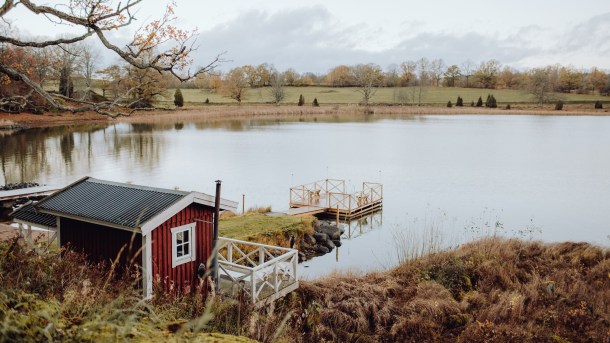
Featured image: Emma Ivarsson/imagebank.sweden.se
This article is a Fika Online exclusive.
 Fika
Fika 
Pingback: Why the Scandinavians Aren’t German – Story land
Thank you for being yoou
LikeLike